
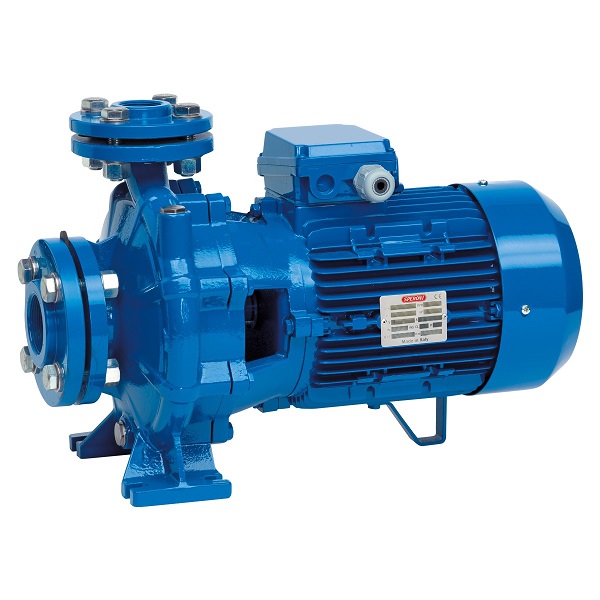
What Is a Pump and an Electropump?
Electropumps are essential devices that convert electrical energy into mechanical energy to move fluids or increase their pressure. They play a vital role across a wide range of applications, from agriculture and industrial processes to residential water supply systems and water treatment facilities. This article explores the operating principles of electropumps, their various types and applications, as well as the key factors to consider when selecting, operating, and maintaining them for optimal performance and long-term reliability.
Electropumps operate by using an electric motor to move fluids. Their operating process typically consists of three main stages:
Fluid Intake: The fluid enters the pump through the suction inlet.
Energy Transfer: The impeller or internal pumping mechanism transfers energy to the fluid, increasing its pressure or velocity.
Fluid Discharge: The fluid exits through the discharge outlet at the required pressure or flow rate.
Key performance parameters of an electropump include flow rate (the volume of fluid delivered over a given period), head (the pumping height or pressure generated), power consumption, and efficiency. These factors are essential for evaluating the performance and selecting the appropriate electropump for a specific application.
Designed for pumping water from deep wells and underground reservoirs.
Fully submerged in the pumped liquid during operation.
Widely used in agricultural irrigation systems.
3. Dewatering Electropumps
Designed for draining water from pits, basements, and flooded areas.
An excellent choice for handling contaminated water and wastewater.
Designed to increase water pressure in residential water supply systems.
Create strong suction using a jet mechanism.
Designed for the precise dosing and injection of chemicals.
Commonly used in the pharmaceutical, food processing, and water treatment industries.
Ideal for pumping high-viscosity fluids or applications requiring precise fluid transfer.
Available in piston, gear, and diaphragm pump designs.
Agriculture: Pumping water for the irrigation of farms, orchards, and gardens.
Industry: Transferring chemicals, cooling industrial equipment, and operating hydraulic systems.
Residential Use: Boosting water pressure in buildings and supporting heating and cooling systems.
Water Treatment Plants: Water filtration and wastewater pumping.
Fire Protection: Providing high-pressure water for firefighting systems.
•
Required Flow Rate: The volume of fluid that must be transferred within a specified period of time.
Total Dynamic Head (TDH): The total height or pressure required to pump the fluid effectively.
Fluid Characteristics: Consider factors such as cleanliness, viscosity, corrosiveness, and the presence of solid particles.
Energy Efficiency: High-efficiency electropumps help reduce energy consumption and lower operating costs.
Environmental Conditions: The pump should be suitable for the operating environment, including temperature, humidity, and exposure to corrosive substances.
Industry Standards: Ensure compliance with recognized standards such as API 610 or ISO 5199 for industrial applications.
Routine Inspection: Regularly inspect internal components such as the impeller and mechanical seal for wear or damage.
Cleaning: Remove debris and deposits from the pump inlet, filters, and other critical components.
Lubrication: Lubricate moving parts as recommended to reduce friction and prevent premature wear.
Motor Monitoring: Check the motor regularly to prevent overloading and overheating.
Inlet Pressure Check: Maintain adequate suction pressure to prevent cavitation and protect the pump from damage.
Cavitation: Caused by insufficient inlet pressure. Solution: Increase the suction pressure or optimize the piping system design.
Leakage: Often results from worn or damaged mechanical seals. Solution: Use high-quality seals and replace them at the recommended intervals.
High Energy Consumption: Solution: Install a Variable Frequency Drive (VFD) to optimize motor speed and improve energy efficiency.