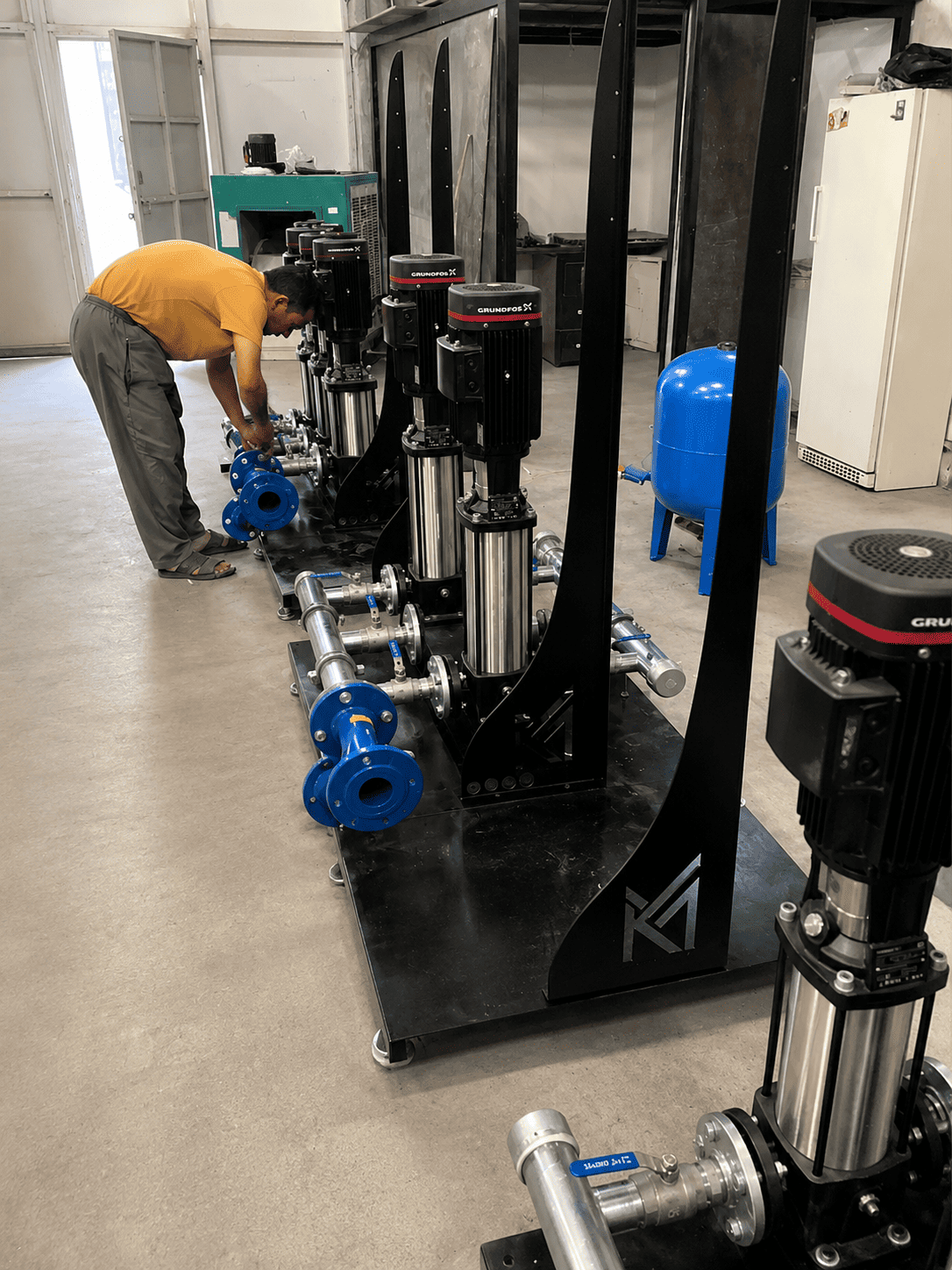
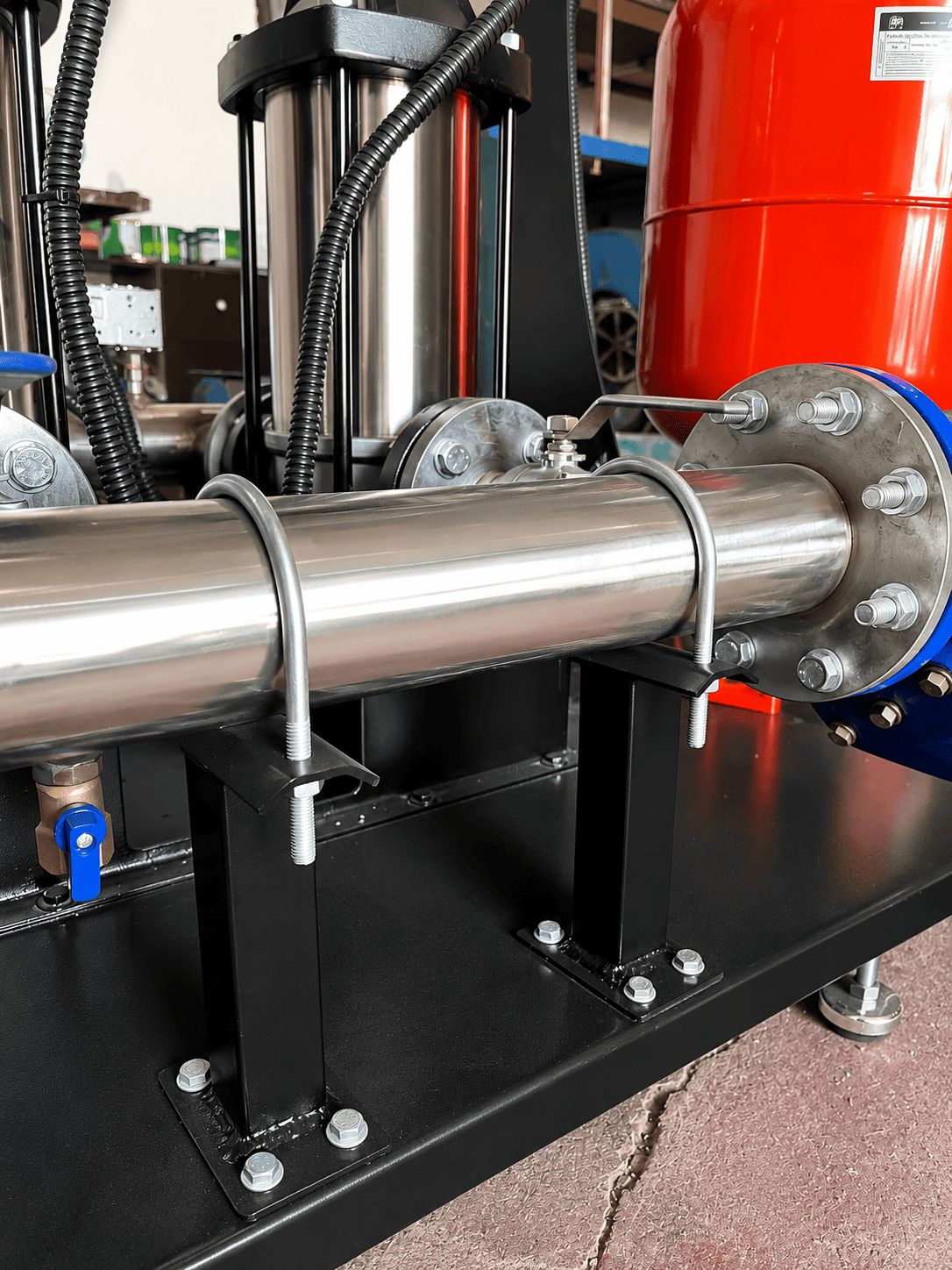
Water supply booster pump
Professional Translation (Technical Style)
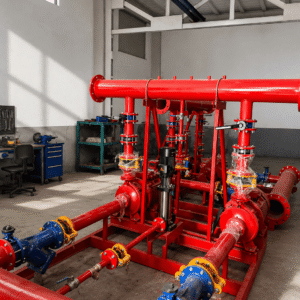
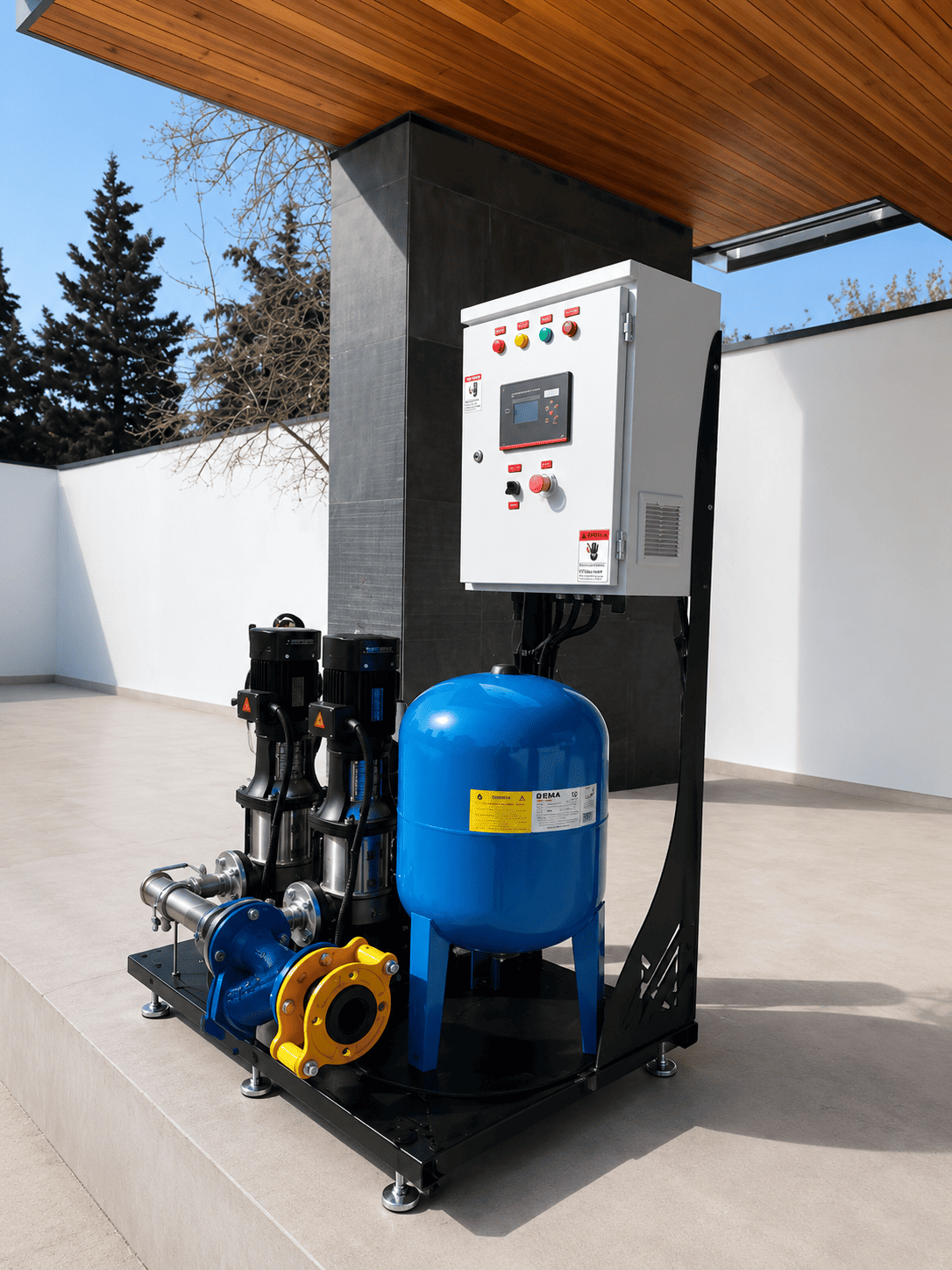
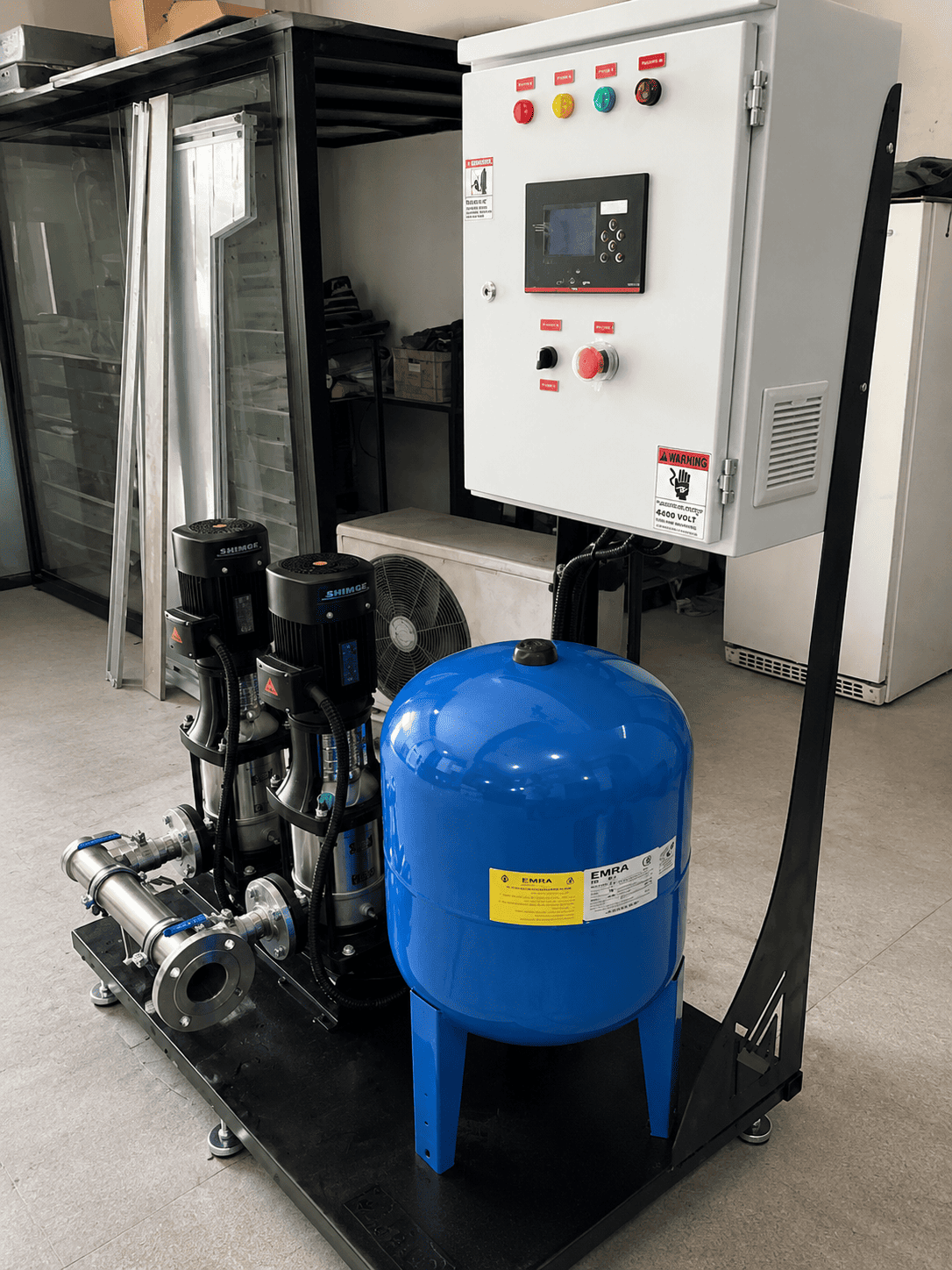
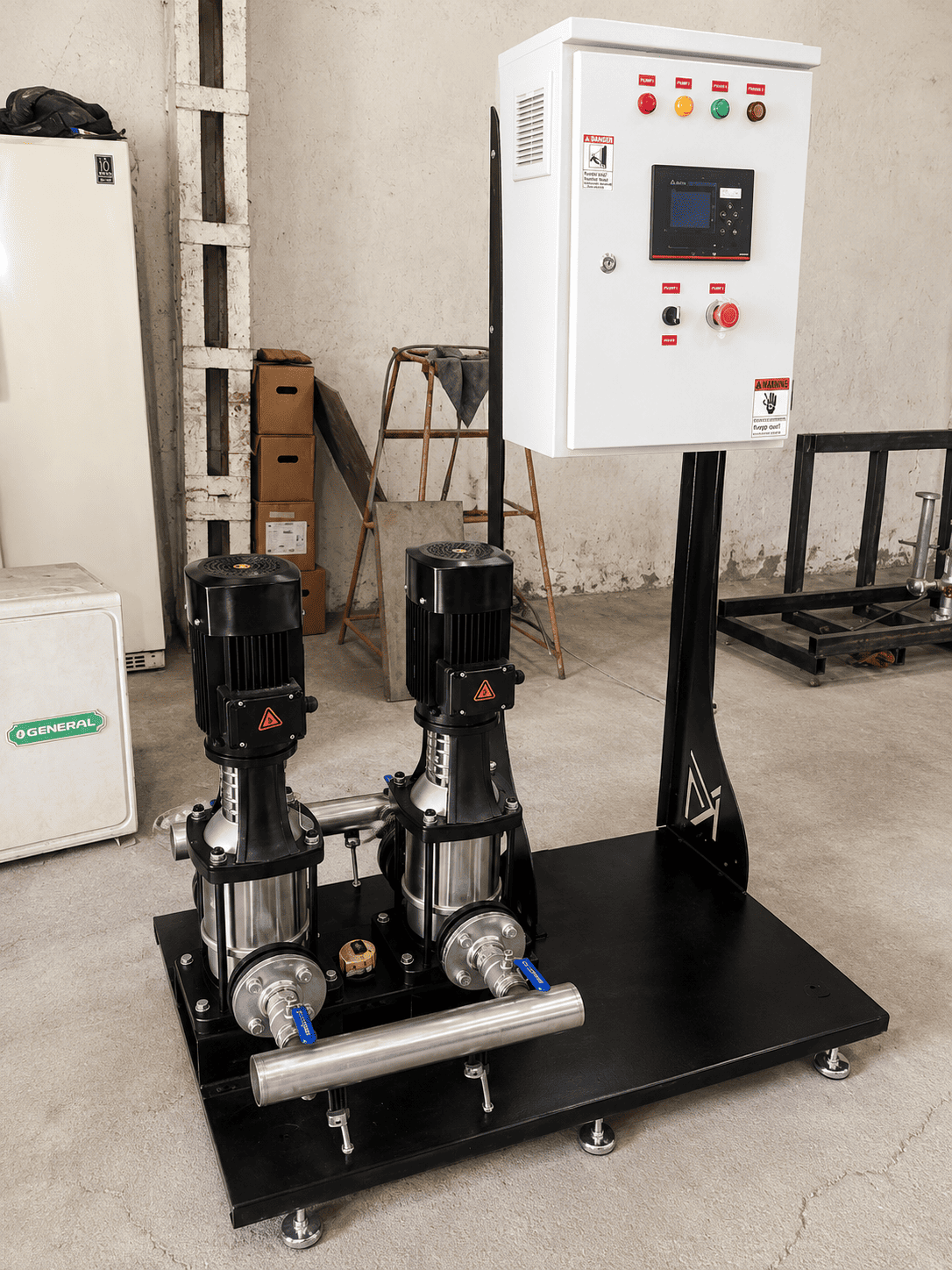
Water supply booster pump systems are devices designed to increase water pressure within distribution networks. These systems are particularly essential in areas characterized by low municipal pressure, or in residential and industrial settings where a constant and sufficient water supply is required. A booster set typically consists of one or more pumps interconnected to operate either simultaneously or in a staged manner to achieve the desired pressure elevation.
Key Features of Water Supply Booster Pump Systems
Operating Mechanism
- Parallel/Series Configuration: Booster pumps typically consist of multiple pumps that can operate in parallel or series.
- Automatic Cycling: The pumps within the system are usually switched on and off automatically based on demand to maintain pressure.
Pressure Control
- Pressure Sensors: The control system is equipped with pressure sensors that continuously monitor system pressure and trigger pump activation/deactivation.
- Load-Dependent Cycling: These systems can automatically adjust the number of active pumps according to the real-time demand.
Pump Types and Materials
- Pump Selection: Centrifugal pumps are primarily used in booster systems for pressure boosting. Some configurations may utilize submersible pumps placed inside tanks or wells.
- Construction Materials: Pump casings are generally made of cast iron or stainless steel to ensure resistance to corrosion and harsh conditions. Impellers are typically manufactured from wear-resistant materials.
- Inverter/VFD Integration: Many modern booster pumps use inverters (Variable Frequency Drives – VFD) to regulate motor speed, thereby optimizing energy consumption.
Applications
- Residential Buildings and Complexes: Ensuring adequate water pressure in high-rise buildings and large residential complexes.
- Industrial Plants: Supplying water to production lines and industrial equipment.
- Low-Pressure Areas: Addressing inadequate water pressure in municipal supply networks.
- Agriculture and Irrigation: Boosting water pressure for farming and irrigation systems.
- Water Treatment Plants: Increasing pressure in water transmission and treatment lines.
Advantages
- Pressure Boosting: Providing consistent and adequate pressure throughout the supply system.
- Reduction of Pressure Fluctuations: Maintaining a steady and uniform pressure in the network.
- Energy Efficiency: Intelligent control systems and VFD integration lead to optimized energy consumption.
- Versatility: Suitable for a wide range of applications, including residential, industrial, and agricultural sectors.
Selection Criteria for a Booster Pump
- Flow Rate (Capacity) and Pressure Requirements: System demand must be clearly defined in terms of flow (QQQ) and head (HHH).
- System Type: Requirements differ significantly between domestic, commercial, and industrial water supply systems.
- Pump Configuration: The choice between different types of centrifugal or peripheral pumps depends on specific system constraints and requirements.